Buy ticket

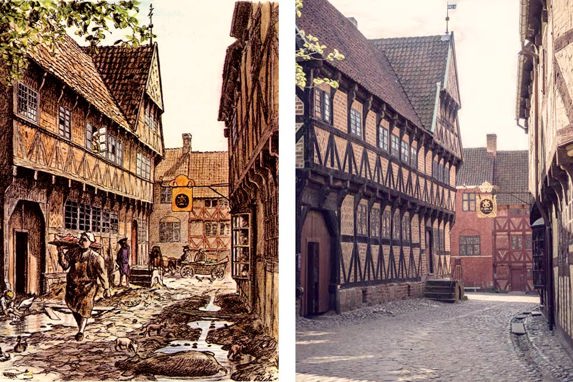
The gutters of Den Gamle By are free from the filth of the past.


Unsanitary streets

Drainage of wastewater

Along the houses in Algade there is a channel in the cobblestones designed to carry rainwater and wastewater away from the streets. This is called a gutter (rende). In the past, however, it was filled with so much filth—including human waste—that it would frequently become blocked.


Dirt and filth in the streets

In the towns of the 17th and 18th centuries, the streets were so full of animal and human waste that it could be directly hazardous to public health. In 1787, Vestergade in Aarhus was described as: “... more a manure pool than a market town street.”

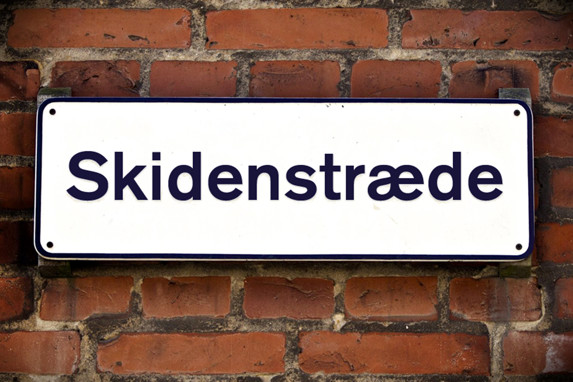
Some streets were even named after the filth: Horsens had Skidengyde, Sønderborg had Møggade, and Ribe had Skidenslippe. In Maribo, Skidenstræde still exists today (as of 2016).
Did you know?

That Krystalgade in Copenhagen was called Skidenstræde until 1818?

The residents of the street requested a name change so that their guests would not have to think they lived in a sewer.


That in several places, a large plank was laid across the gutter?

This “gutter plank” made it possible for citizens to cross the muddy street without getting covered in filth.


That streets in 18th- and 19th-century towns were often made up of multiple layers of cobblestones?

Over time, the paving disappeared beneath waste and mud, and when the streets became too impassable, a new layer of cobbles was laid on top of the filth.

This is how Algade might have looked around 1800.
Drawing: Jens Bech, Skalk, 1971.


There are not many latrine-related street names left in our towns in Denmark. However, Skidenstræde still exists in Maribo.